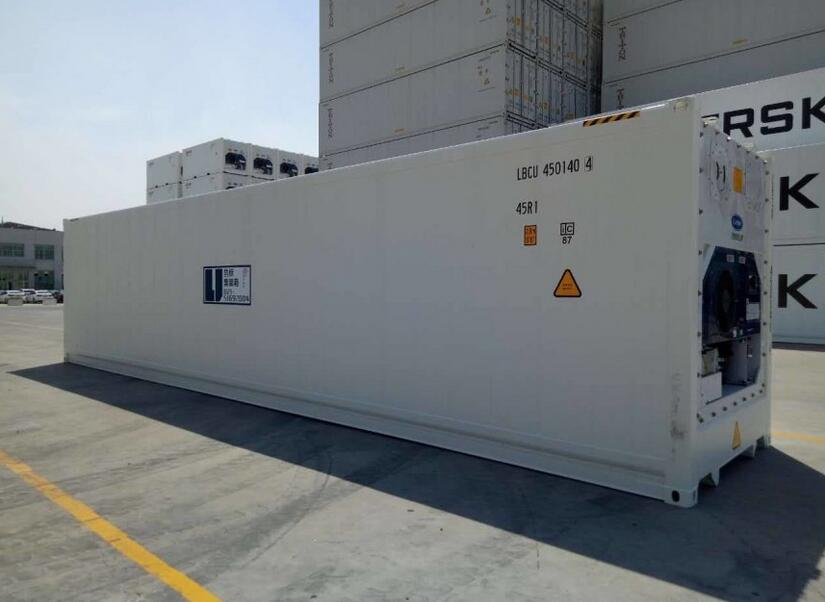
A reefer container is a refrigerated shipping container designed to transport temperature-sensitive cargo that requires controlled climate conditions during transit. Short for “refrigerated container,” these specialized units maintain consistent temperatures ranging from -30°C to +30°C (-22°F to +86°F) throughout the shipping journey.
Reefer containers feature advanced refrigeration systems powered by electrical connections at ports, ships, and trucks. The insulated walls contain polyurethane foam for superior thermal protection, while sophisticated control systems monitor and adjust temperature, humidity, and air circulation. Modern units include data logging capabilities to track conditions throughout transport.
These containers are essential for perishable goods including fresh fruits, vegetables, meat, seafood, dairy products, pharmaceuticals, and flowers. The controlled atmosphere helps extend product shelf life and maintains quality from origin to destination.
Key features include precise temperature control within ±0.5°C, humidity regulation, fresh air exchange systems, and emergency backup power options. Some units offer controlled atmosphere technology that adjusts oxygen and carbon dioxide levels for specific products like bananas or apples.
The global cold chain relies heavily on reefer containers, enabling international trade in perishables. They’re particularly crucial for agricultural exports from developing countries and pharmaceutical distribution requiring strict temperature compliance. Proper pre-cooling of cargo and continuous power supply are essential for successful reefer operations.