Specifications: Rectangular prism shape with four enclosed sides, a removable tarpaulin top, and an openable rear door.
20’OT:
-
Internal dimensions: 5.89m × 2.3m × 2.31m
-
Payload capacity: 20 tons
-
Volume: 31.5 cubic meters
40’OT:
-
Internal dimensions: 12.01m × 2.3m × 2.31m
-
Payload capacity: 30 tons
-
Volume: 65 cubic meters
Usage:
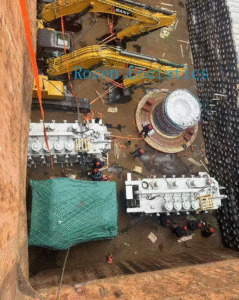
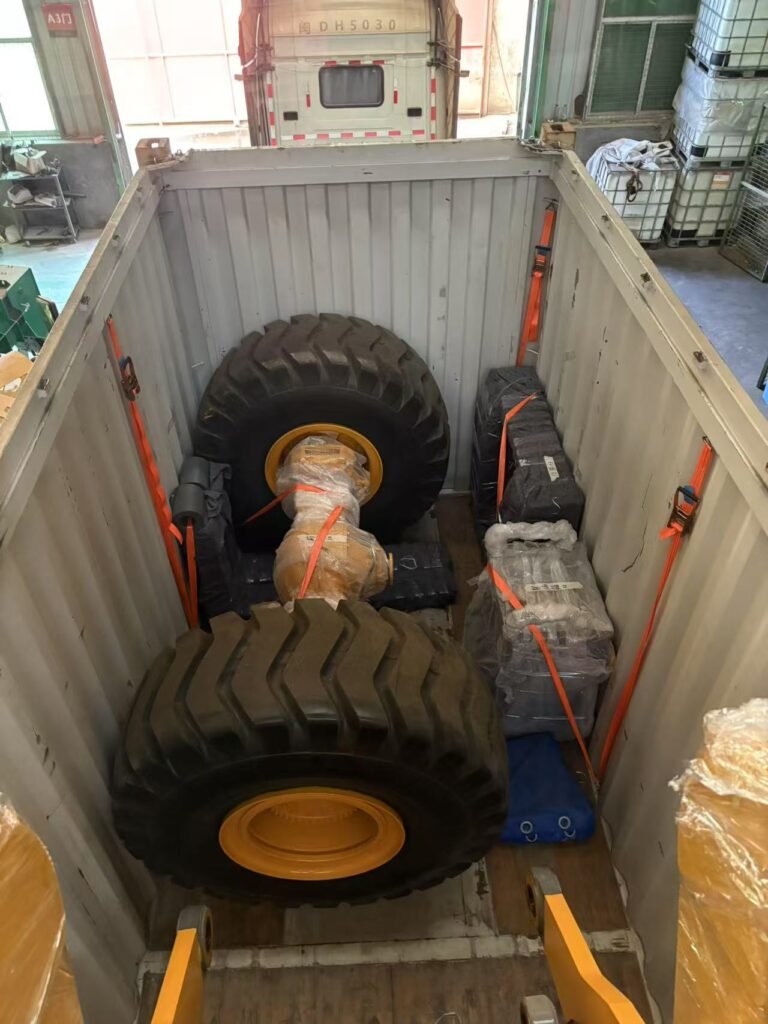
Ideal for cargo that does not exceed width restrictions, allows top-loading via crane, and is suitable for tall oversized goods, metal pipes, glass products, and other items that are not easily handled manually.
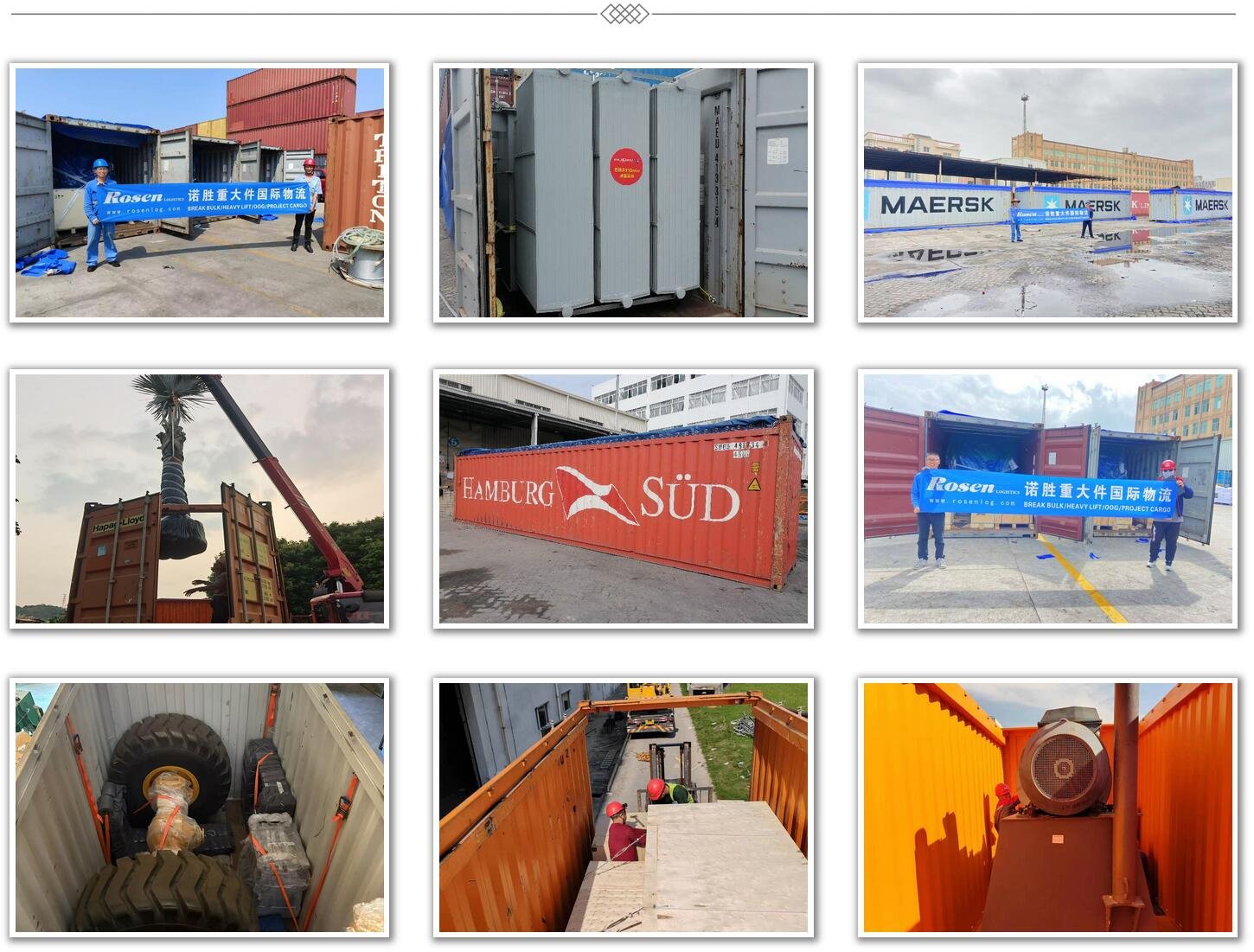
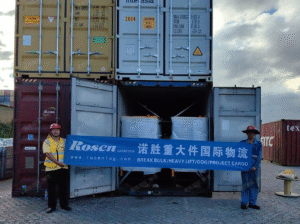
An open top container is a specialized shipping container designed for cargo that cannot be loaded through standard doors due to height restrictions or loading requirements. Instead of a solid steel roof, these containers feature a removable tarpaulin cover or completely open top, allowing cargo to be loaded from above using cranes or other lifting equipment.
Available in standard 20-foot and 40-foot lengths, open top containers maintain the same width and structural integrity as conventional containers, with reinforced corner posts and lashing rings for secure cargo fastening. The removable roof typically consists of a waterproof tarpaulin with bow hoops for support.
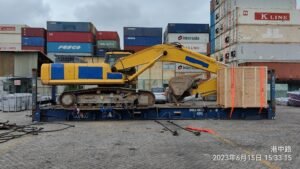
These containers are ideal for tall machinery, oversized equipment, bulk materials like scrap metal or timber, and items requiring top-loading such as marble blocks or heavy industrial components. They can handle cargo that exceeds standard container height while maintaining weather protection during transport.
Key advantages include versatile loading options, accommodation of over-height cargo up to certain limits, and maintained container handling compatibility with standard port equipment. The tarpaulin cover provides adequate weather protection while allowing flexibility.
Industries commonly using open top containers include construction, mining, forestry, and heavy manufacturing. They’re particularly valuable for shipping construction machinery, large pipes, logs, and other items where conventional container doors would be impractical for loading operations.