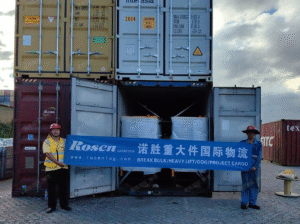
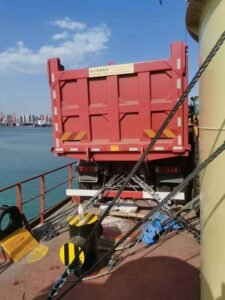
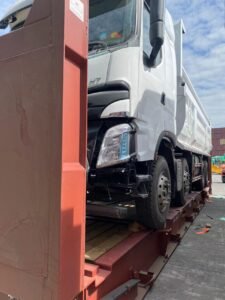
Bulk carriers are divided into bulk carriers and general cargo ships. Bulk carriers typically transport bulk dry cargo such as grains, coal, ore, salt, cement, etc. General cargo ships usually carry steel products, mechanical equipment, and other miscellaneous goods.
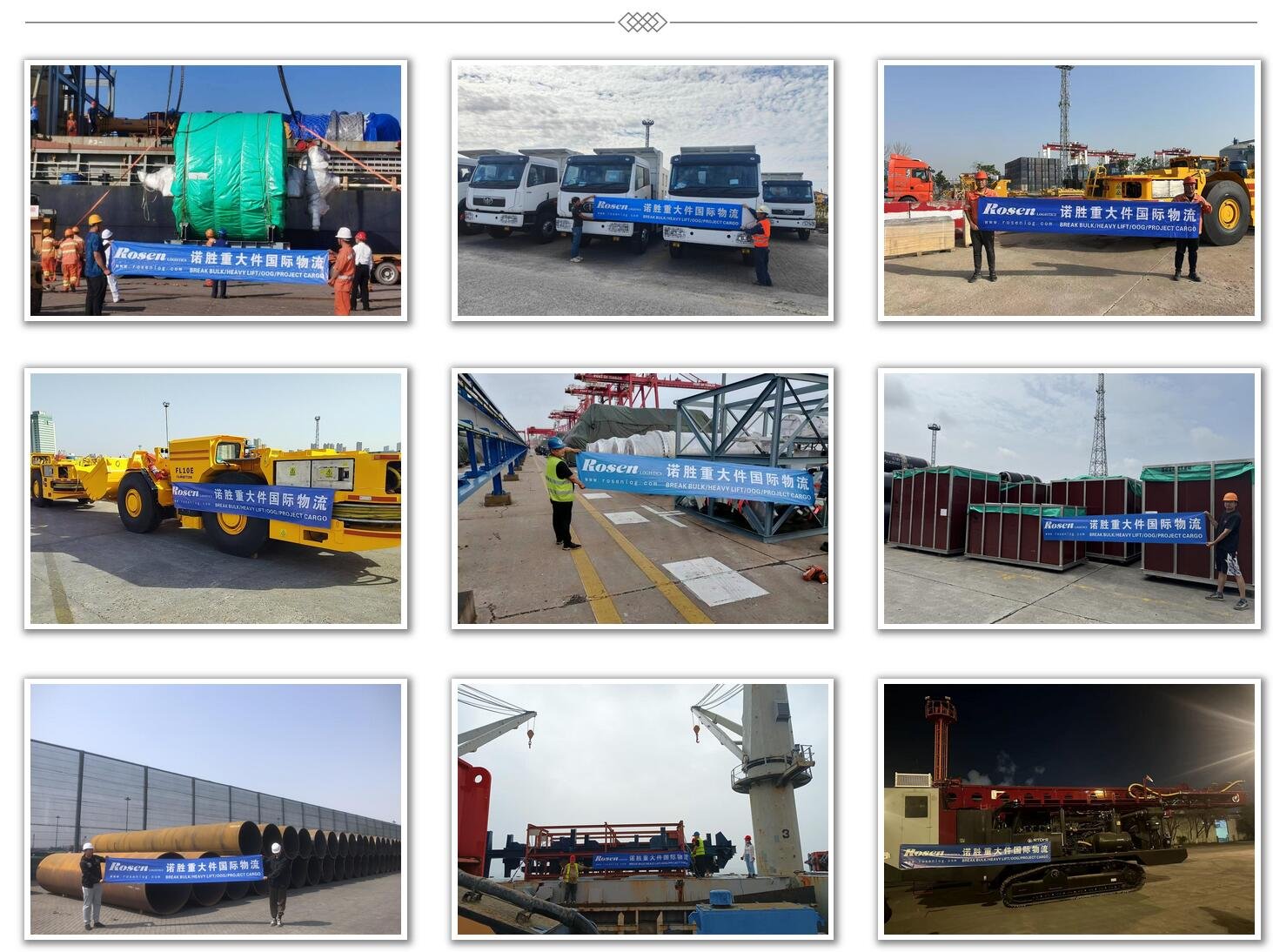
Break bulk cargo refers to goods that are loaded individually onto ships, rather than in containers or bulk form. This traditional shipping method handles items that are too large, heavy, or oddly shaped for standard containers, such as steel pipes, machinery, lumber, vehicles, and construction equipment.
Unlike containerized cargo that comes in standardized boxes, break bulk items require specialized handling equipment like cranes, forklifts, and slings. Each piece must be carefully loaded, secured, and unloaded individually, making the process more labor-intensive and time-consuming than container shipping.
Break bulk transportation offers unique advantages for oversized cargo. Items like wind turbine components, industrial generators, or heavy construction materials that exceed container dimensions can be shipped efficiently. The method also provides flexibility in loading configurations and allows direct access to cargo during loading operations.
However, break bulk shipping typically involves higher handling costs, longer port stays, and increased risk of damage or theft due to multiple handling stages. Port facilities must have adequate storage space and specialized equipment.
Despite the growth of containerization, break bulk remains essential for project cargo, heavy lift operations, and regions with limited container infrastructure. Many developing countries still rely heavily on break bulk terminals for importing machinery and industrial equipment.